
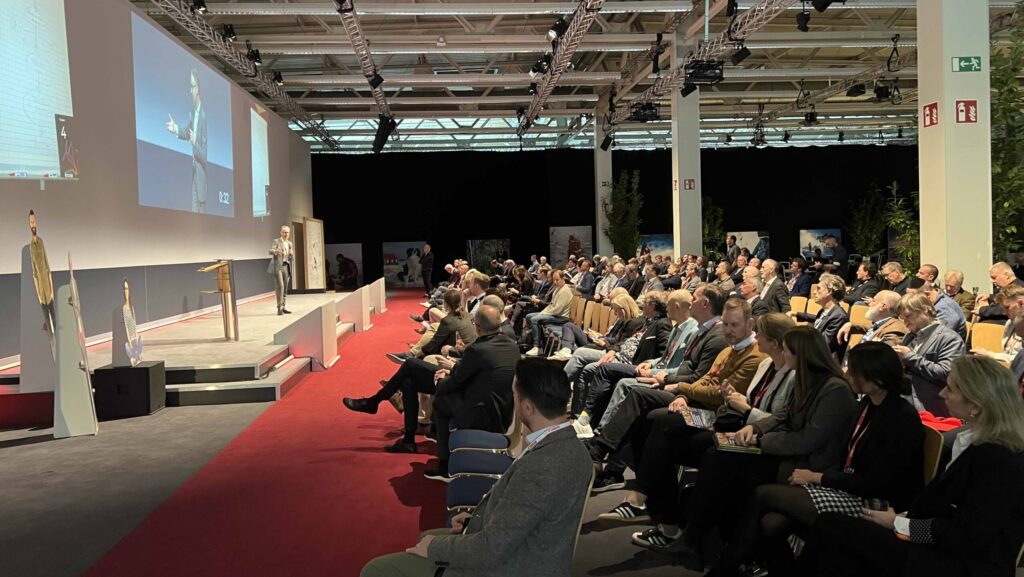
On 12 and 13 November, the Canon Future Book Forum, in its 14th year, brought together printers, publishers and a range of other service providers to consider the opportunities for books as part of broader ecosystems satisfying different societal needs.
The Forum mixed presentations from people inside and outside the book sector with workshops and round table discussions. From AI booksellers to workflow services via improving sector sustainability – the discussions were wide ranging and, at least in one of the workshops, sometimes heated.
The Forum was closed by Sonia Draga, President of the FEP who said “It’s important for us, representing different parts of the industry to meet at these kind of events – it is not usual that we can exchange ideas between publishers, printers, paper producers, software providers and other suppliers for publishing industries. It’s quite relevant for our businesses to thrive that we learn about others’ problems and/or different positions/perceptions of the same issues sometimes we’re facing.