The sector’s concerns relate to a curriculum reform and subsequent guidelines for the approval of learning materials, specifically for workbooks which leave publishers unclear on which types of materials will be permitted less than six months before the start of the new school year.
The Ministry of Education and the Government of the Republic of Slovenia have been called on to abolish the announced guidelines that drastically reduce the range of learning materials, to establish dialogue between the ministry, experts, teachers, and publishers, and to reach a new agreement to reduce the financial burden on parents following the example of Austria, the Netherlands, Finland, and other countries where pupils receive learning materials as their permanent property.
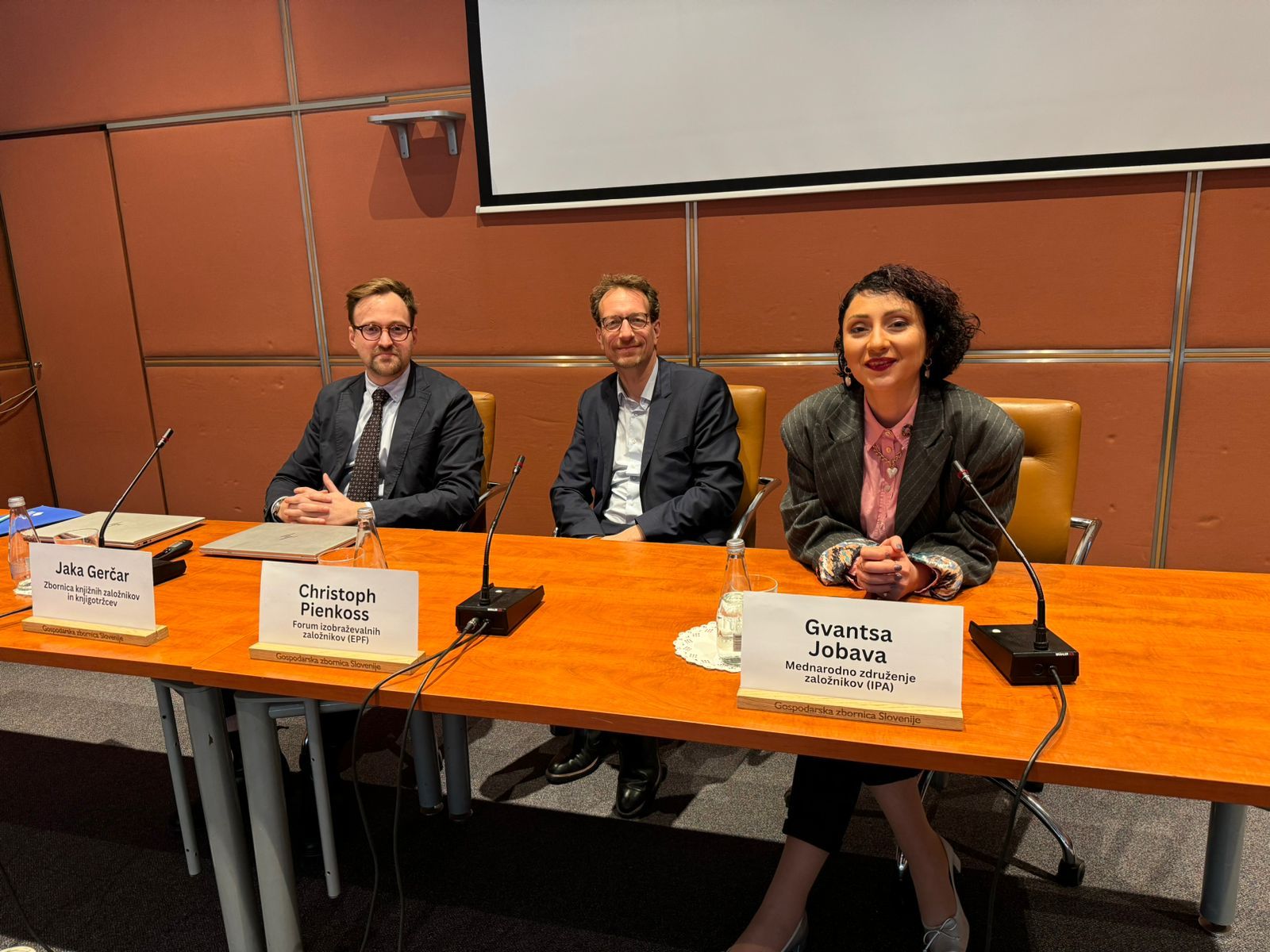
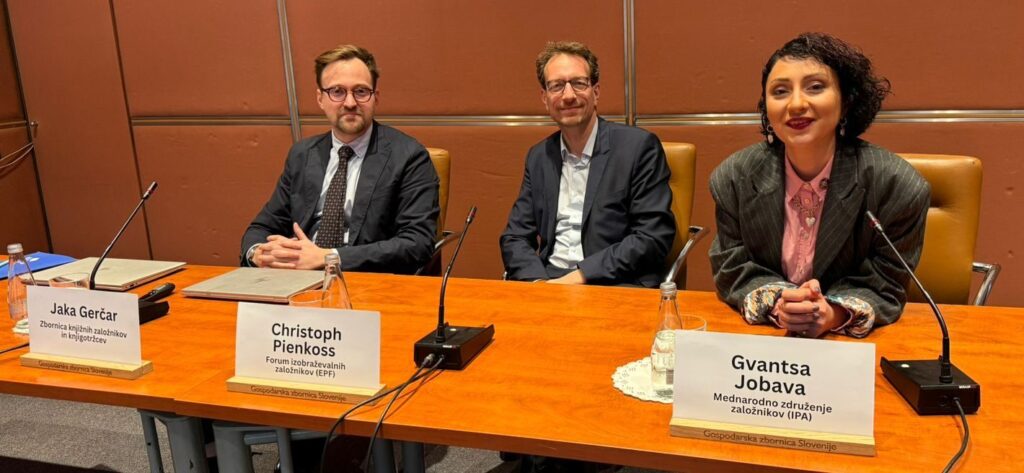
Gvantsa Jobava, President of the IPA, underlined that international experience clearly shows that school reforms and education systems cannot succeed without high-quality learning materials aligned with the curriculum and without cooperation between ministries, experts, teachers, and educational publishers. Jobava stressed that administrative restrictions on the diversity of learning materials inevitably lead to poorer educational outcomes. She called on the Slovenian government to immediately engage in dialogue with all stakeholders and to seek solutions that relieve parents of financial burdens without undermining the quality, diversity, and quantity of learning materials currently available to pupils.
Christoph Pienkoss, Head of the Educational Publishers Forum at the IPA, emphasised that education systems everywhere today—including in Slovenia—face numerous challenges, including teacher shortages, excessive workloads, large class sizes, and pupils with special educational needs. Learning materials play a crucial role in addressing these challenges, he noted, as they provide structured support that allows teachers to focus on teaching itself. According to Pienkoss, the state must ensure adequate funding for learning materials and enable teachers to choose autonomously among high-quality educational resources.
Iris Blatterer, Managing Director of Westermann Verlag and member of the board of the Austrian Educational Publishers Association presented the system in Austria which builds on clearly definied financial frameworks and then trusts in teachers’ professional judgment to autonomously choose among different approved materials—printed, digital, or hybrid—without any restrictions on particular types of learning materials: textbooks, workbooks, integrated workbooks, or supplementary materials.